Rabu, 30 Maret 2016

What Is Type 2 Diabetes?

Diabetes is a disease that's characterized by high blood sugar, which doctors refer to as hyperglycemia.
What makes type 2 diabetes different from type 1 diabetes, gestational diabetes, and other types of diabetes is the underlying cause of high blood sugar.
In type 2 diabetes, the two main contributors to high blood sugar are insulin resistance and reduced production of insulin by the pancreas.

Prevalence of Diabetes

  • More than 29 million people in the United States - almost 10 percent of the total population - have diabetes, according to the Centers for Disease Control and Prevention (CDC).
  • The vast majority of those people (90 to 95 percent) have type 2 diabetes.
  • About 8.1 million people with diabetes are undiagnosed.
  • Diabetes is now the seventh leading cause of death among Americans, according to the CDC.

Kamis, 24 Maret 2016

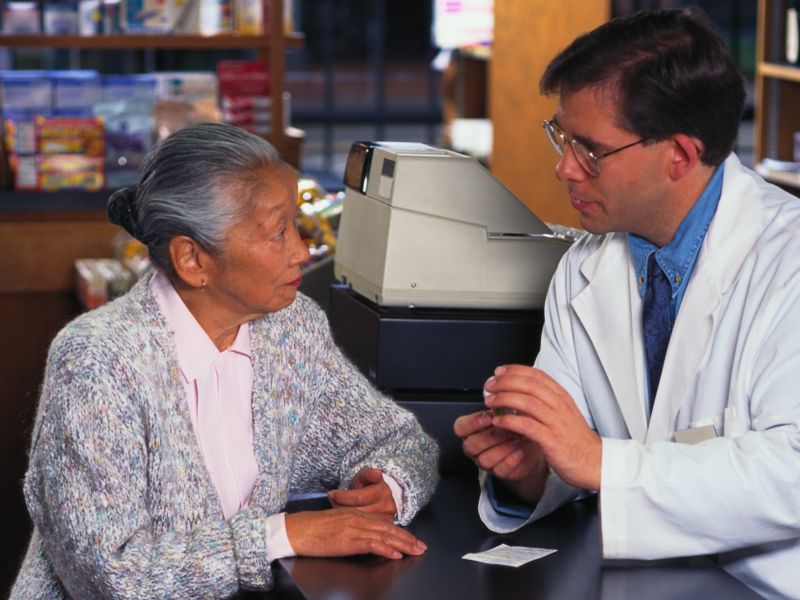
1 in 6 Seniors Takes Dangerous Combos of Meds, Supplements: Study

MONDAY, March 21, 2016 (HealthDay News) -- More seniors than ever are taking supplements alongside their medications, a practice that puts them at risk for dangerous drug interactions, researchers report.
More than 15 percent of older Americans took potentially life-threatening combinations of prescription medications, over-the-counter drugs and dietary supplements in 2011, the study showed. That was almost a twofold increase from 2005, when 8.4 percent of seniors did so.
"Alongside the growing use of multiple medications, there is also a hidden, and increasing, risk of potentially deadly drug interactions in older adults," said lead researcher Dr. Dima Qato. She is an assistant professor of pharmacy systems at the University of Illinois at Chicago.
Many of these interactions involved heart drugs and supplements, such as omega-3 fish oil supplements, which are more commonly used now than they were five years ago, Qato said.
To be on the safe side, patients should always tell their doctor and pharmacist about all of the drugs and supplements they are taking, or plan to take, including over-the-counter medications, she said.
"A medication or supplement may be safe and beneficial when you use it alone, but when you mix it with other medications or supplements, it can be very dangerous," Qato explained

Rabu, 24 Februari 2016

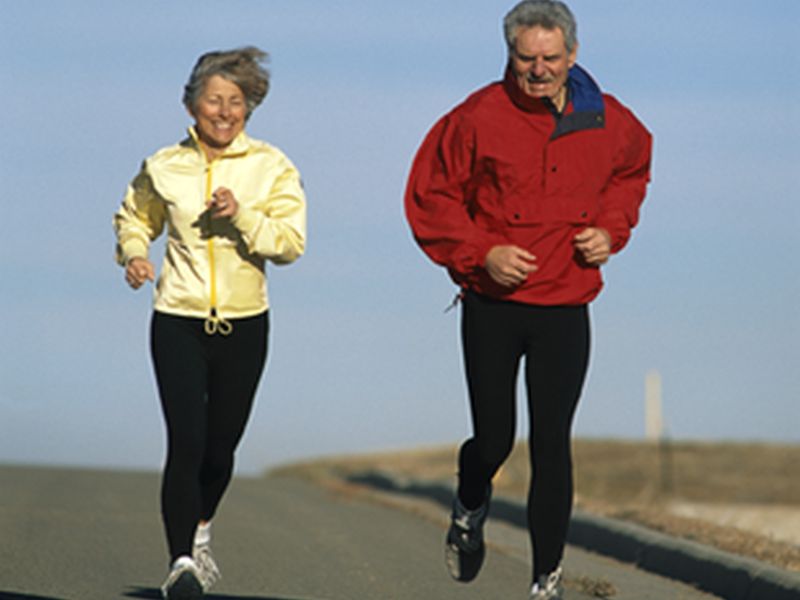
Exercise May Keep Your Brain 10 Years Younger, Study Suggests

WEDNESDAY, february 24, 2016 (HealthDay News) -- Older adults who exercise regularly could buy an extra decade of good brain functioning, a new study suggests.
The study found that seniors who got moderate to intense exercise retained more of their mental skills over the next five years, versus older adults who got light exercise or none at all.
On average, those less-active seniors showed an extra 10 years of "brain aging," the researchers said.
The findings do not prove that exercise itself slows brain aging, cautioned senior researcher Dr. Clinton Wright, a neurologist at the University of Miami Miller School of Medicine.
It's possible, he said, that there are other reasons why active older adults stayed mentally sharper.
The researchers accounted for some of those other explanations -- including people's education levels, smoking habits and health conditions such as high blood pressure and diabetes.
And exercise levels were still connected to the participants' performance on tests of memory and "processing speed" -- the ability to digest a bit of new information, then respond to it.
Plus, Wright said, it's plausible that exercise would affect those mental skills. Other research has shown that physical activity boosts blood flow to the brain, and may enhance the connections among brain cells, for example.

Kamis, 28 Januari 2016

Type 2 Diabetes Screening

Currently, the American Diabetes Association recommends that everyone get screened for diabetes beginning at age 45. People who have risk factors besides age (the risk of type 2 diabetes rises with age) should get screened earlier.
The two types of blood tests most commonly used toscreen for type 2 diabetes: fasting plasma glucose test and the HbA1c test (also called the A1C test or the hemoglobin A1c test).
The fasting plasma glucose test requires fasting for 8 to 10 hours before blood is drawn. The test result shows the blood sugar level at the time the test was done. A result of 126 mg/dl or higher indicates diabetes. In a person with no other signs or symptoms of hyperglycemia, the test should be repeated on another day to confirm thediagnosis.
The HbA1c test does not require fasting before the test. The test result reflects the average blood sugar level in the blood over the previous two to three months. A test result of 6.5 percent or higher indicates diabetes.
Like the fasting plasma glucose test, in a person with no other signs or symptoms of hyperglycemia, the test should be repeated on another day to confirm the diagnosis.